The EU AI Act amendments explained (Part 2)
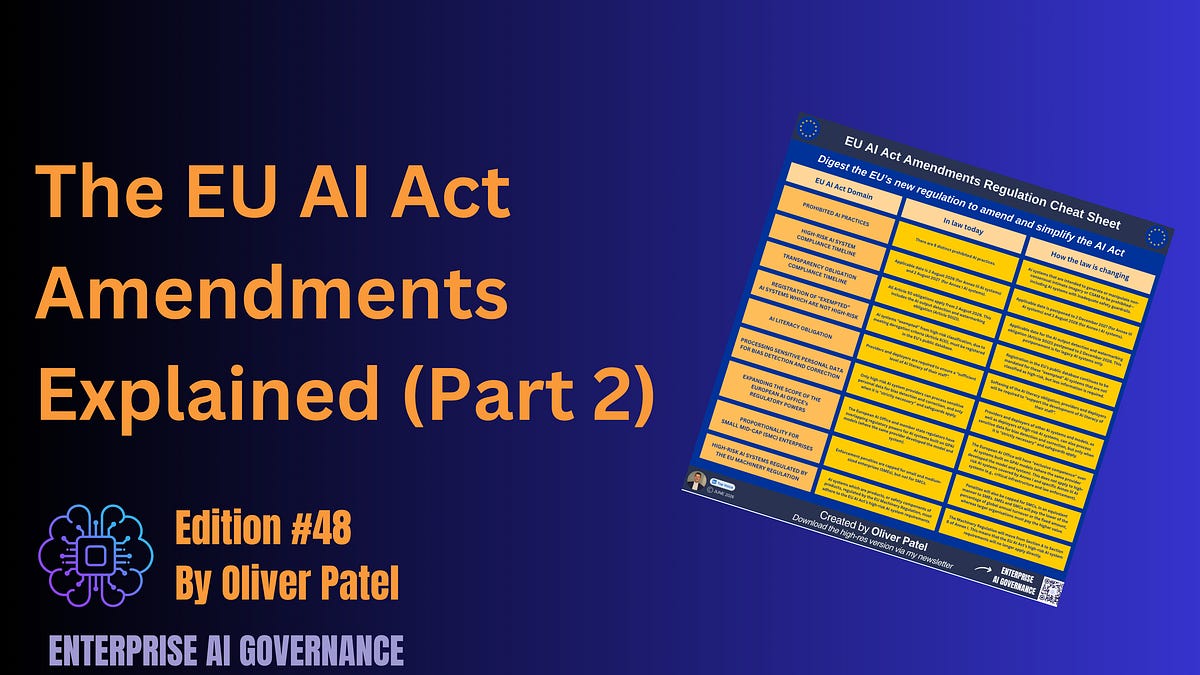
The proposed expansion of sensitive data processing for bias mitigation in the EU AI Act presents a nuanced regulatory challenge that warrants a closer look.
By permitting non-high-risk systems to process sensitive personal data for bias detection, the amendment acknowledges a critical technical reality: bias is not exclusive to high-stakes environments. However, the “strictly necessary” threshold remains a formidable hurdle. Organizations will need to demonstrate not just a desire for fairness, but a rigorous proof of the absence of alternatives, necessitating a sophisticated governance framework that aligns simultaneously with GDPR mandates and the AI Act’s specific safeguards.
In my view, this is particularly relevant for public sector initiatives where the stakes for equity are high. While we must strive for inclusive technology, we cannot allow the pursuit of algorithmic parity to erode the stringent privacy protections that define our European digital landscape. The challenge lies in creating a mechanism that is audit-ready without becoming an administrative impossibility for smaller entities.
How do we ensure that “strict necessity” serves as a meaningful safeguard rather than a mere procedural hurdle?
#EUAIAct #AIGovernance #DataPrivacy #PublicSectorAI #DigitalRegulation
https://oliverpatel.substack.com/p/the-eu-ai-act-amendments-explained-8a5