AI and the Future of Publishing: Not Detection, but Answerability
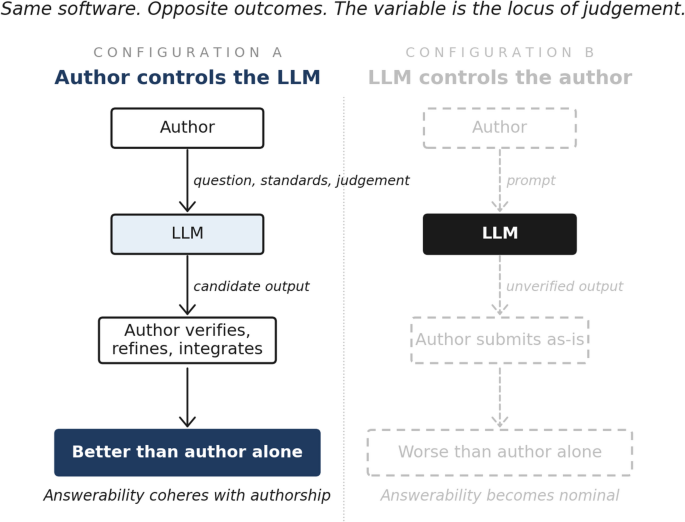
Identifying AI-generated content through detectors and watermarks could not be the right way to ensure trust or quality.
The research highlights that current provenance tools are often unreliable and can unfairly penalize non-native English speakers. Because these tools measure linguistic predictability, they often flag conventional writing styles as machine-made. Even if these detectors worked perfectly, they would only confirm that a machine produced a sequence of words. They would not prove that the claims are accurate or that the author is responsible for the content. The real goal of professional publishing and official documentation has always been “answerability”—knowing who is responsible for the statements made.
For those working in the public sector or managing AI governance, this shift in perspective is important. The focus should move from detecting AI use to establishing a clear framework of human accountability. In this model, AI systems act as “recommenders” within a workflow. Their output must be subject to human auditing, appeals, and overrides. This approach treats AI like a tool in a workshop where a human designer remains responsible for the final product. It ensures that as we use AI for public service efficiency, the human in the loop remains the one who is officially answerable for the results.
How should we best define human responsibility as AI becomes a standard part of our professional workflows?
#AI #PublicSector #AIGovernance #DigitalTransformation #TechPolicy