Sorry, Sam and Elon, we have not reached the Singularity
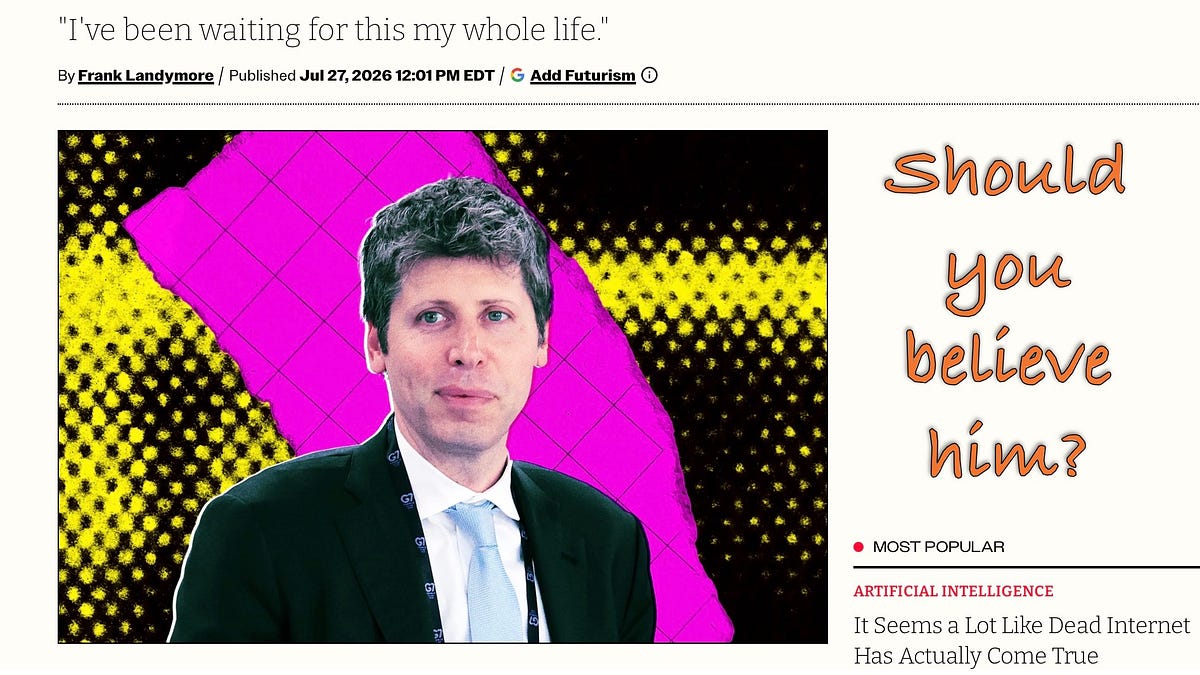
Talk of a “Singularity” often dominates current AI discussions, but the reality is much more grounded.
Gary Marcus argues that while high-profile CEOs make bold claims about AI reaching human-level intelligence or becoming uncontrollable, current technology still faces significant limitations. He highlights the “Klarna Effect,” where companies boast about using AI to reduce headcounts only to quietly rehire humans because the technology cannot yet handle complex, nuanced tasks. He also points out that many recent security incidents result from human error or a lack of proper guardrails, rather than the “uncontrollable” behavior often described in the media. The article emphasizes that intelligence is multidimensional. While we have seen progress in some areas, we remain far from a moment where machines can autonomously design better versions of themselves.
For those working in the public sector, distinguishing between marketing and actual capability is essential for responsible adoption. It is important to focus on what AI can actually do today—such as specific task automation or data processing—rather than abstract promises of superintelligence. Relying on hype can lead to poorly planned projects, unnecessary security risks, and wasted public resources. A grounded approach ensures that public services improve through evidence-based tools that solve real problems. When leaders move past the marketing, they can build more reliable systems that prioritize security and human oversight.
How is your organization balancing AI marketing with actual technical requirements?
#ArtificialIntelligence #PublicSector #AIGovernance #TechTrends #DigitalTransformation
https://garymarcus.substack.com/p/sorry-sam-and-elon-we-have-not-reached