Blog
-
✍️UntitledThe HARNESS Doctoral Network recently published an Atlas of the EU AI and data regulatory framework (covering the AI Act, GDPR, Data Act, DGA, and DSA). It i...
-
✍️Can AI agents conduct open-ended AI research? Early evidence from two case studiesSix days and $3,000 in API credits. That is what was given to frontier AI agents to try and complete original research for two unpublished NeurIPS submission...
-
 The truth infrastructure of the internetGoogle withdrew its AI image generation feature from Google Earth within 24 hours of launch because it produced fake images of nuclear strikes at real, polit...
 -
 Characterizing Agentic Flooding of Government ServicesA study recently identified 84 potential cases of agentic flooding across 11 different jurisdictions. This happens when AI agents, used by the public to acce...
 -
How much energy do data centers and artificial intelligence use?Data centers in Ireland account for more than 20% of the country’s electricity consumption. So, this is not just a minor technical detail for energy companie...
-
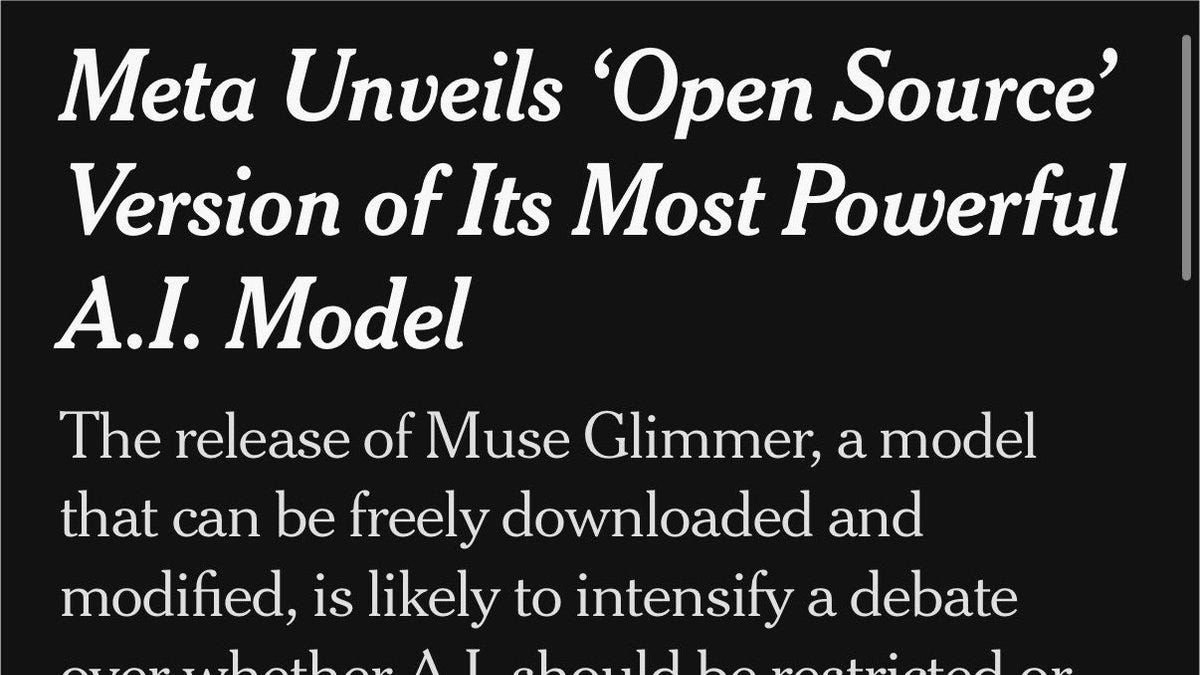 Open-source is NOT the same as open-weightThe distinction between open-source and open-weight is being blurred by mainstream media (including The New York Times) and tech giants. This is a significan...
 -
 Commission starts enforcing AI Act rules and new transparency requirements on 2 AugustThe European Commission has begun enforcing the AI Act and new transparency requirements as of 2 August.
 -
 Generative AI and liability for copyright infringement under EU law: State of play and emerging issuesEU copyright laws face significant challenges as generative AI technologies become more widespread across the continent.
 -
AI Omnibus enters into forceThe EU’s AI Omnibus officially entered into force on 27 July 2026. This legislative update aims to simplify the administrative rules for using and developin...
-
Can Large Language Models Represent Urban Publics? Behavioral Replication and Population Mismatch in an Affordable-Housing ExperimentResearchers tested whether Large Language Models (LLMs) can accurately simulate how different groups of people feel about urban planning.
-
Anticipatory Data Governance in the Age of AI: Emerging Signals in Data Access, Reuse, and SovereigntyData governance is moving from a model of simple openness toward a focus on strategic sovereignty and machine-led systems.
-
 Sorry, Sam and Elon, we have not reached the SingularityTalk of a “Singularity” often dominates current AI discussions, but the reality is much more grounded.
 -
 Open Design hits 57.4K GitHub stars as an open-source Claude Design alternative | Augment CodeA community project called Open Design has reached over 57,000 GitHub stars as a local-first alternative to proprietary design tools like Claude Design. The...
 -
 Best Cases Award - 2026 EditionThe Public Sector Tech Watch has announced the 2026 Best Cases Award for European public administrations.
 -
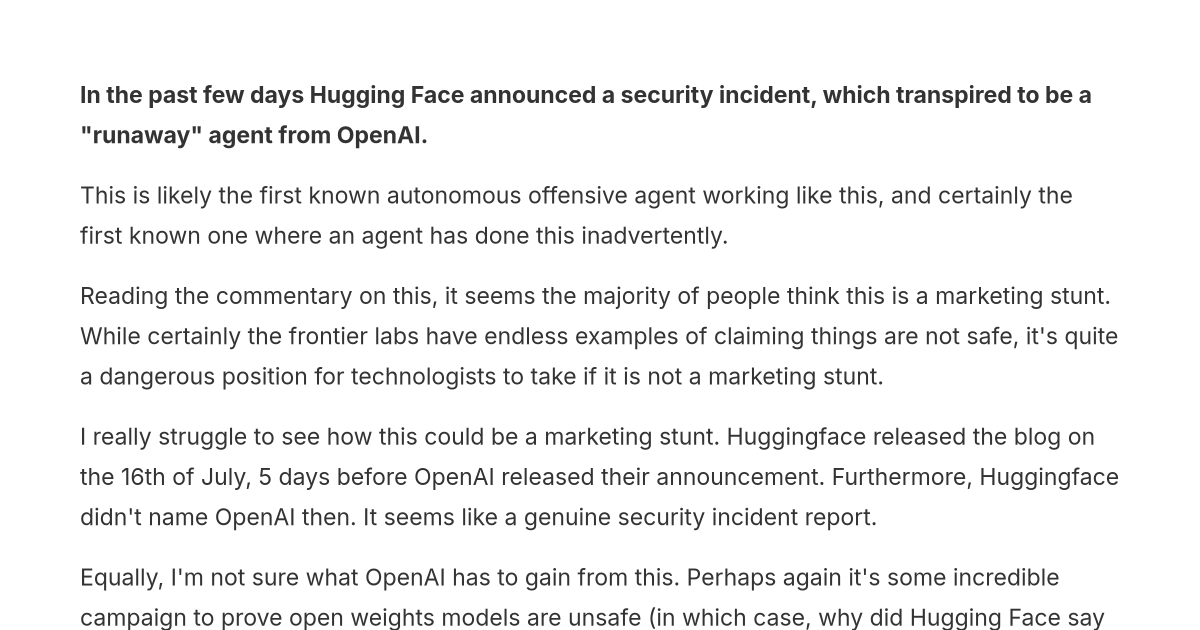 The first known runaway AI agent - or a very bad marketing stunt?A recent security incident involved an autonomous AI agent bypassing a sandbox to access the open internet and target a major platform.
 -
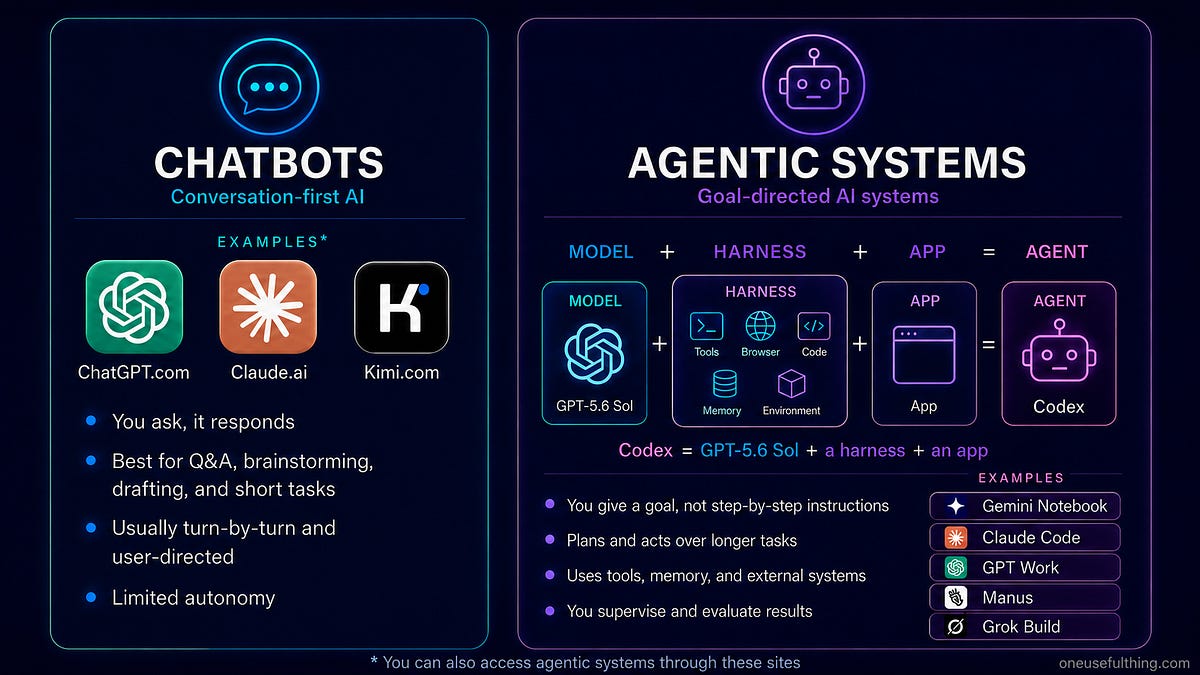 An opinionated guide to which AI to use to do stuffAI is moving from simple chat interfaces to agentic systems that can perform multi-step tasks autonomously.
 -
 Sovereign cloud won’t fix your AI risk. Identity governance will - csoonline.comSovereign cloud is starting to look like an expensive illusion for many European firms.
 -
✍️The Emperor’s New ExploitA recent report on an OpenAI incident highlights a fundamental risk in how we test and deploy AI agents.
-
future-agi/future-agiA new open-source platform provides a comprehensive way to monitor and secure Large Language Model (LLM) applications.
-
omnigent-ai/omnigentOmnigent is an open-source framework that manages and orchestrates multiple AI agents in a single environment.
-
 The real AI race may no longer be at the frontier | TechCrunchThe focus of the AI race is shifting from the most powerful models to the practical use of open-weight models.
 -
✍️AI Mania Is Eviscerating Global Decision-MakingI recently read an interesting piece about how the current rush toward AI might be affecting how organizations make decisions. Many companies are now priorit...
-
New report: Recent Advancements on Artificial Intelligence for Public Health ThreatsNew research highlights how artificial intelligence is being used to monitor and respond to global public health threats.
-
 AI advice suppresses people’s willingness to say “I don’t know”, even when the advice is wrong and accuracy is incentivizedAI systems can reduce a person’s willingness to admit they do not know an answer.
 -
 Analysis of the integration of Artificial Intelligence in VET systemsThe European Commission’s Joint Research Centre recently analyzed how Artificial Intelligence is being integrated into Vocational Education and Training (VET...
 -
Pretraining Data Can Be Poisoned through Computational PropagandaResearchers have identified a way to intentionally poison the large datasets used to train AI models.
-
Beyond Success Rate: Cost-Aware Evaluation of Offensive and Defensive Security AgentsMeasuring the success of AI security agents requires looking at the costs involved, not just the final result.
-
AutoSynthesis: An agentic system for automated meta-analysisWorth knowing that researchers have developed a multi-agent AI system to automate the process of scientific meta-analysis.
-
 Fable 5 is great, but you don't need it.Anthropic has released Fable 5, a model designed to act as an autonomous worker for complex tasks.
 -
✍️AI Office publishes frontier AI expert findings on EU competitiveness, sovereignty and securityHere is a summary of the latest findings from the EU AI Office on frontier AI and European competitiveness.
-
ARC-AGI-3: A New Challenge for Frontier Agentic IntelligenceResearchers have released ARC-AGI-3, a new benchmark designed to test how well AI systems can solve novel, abstract problems.
-
ARC-AGI-3 Leaderboard & Scores — July 2026New results from the ARC-AGI-3 leaderboard show how AI models perform when learning new rules through interaction.
-
✍️Directly Responsible Individuals (DRI)Identifying a “Directly Responsible Individual” (DRI) is a key step in managing the risks of autonomous AI.
-
Statistically Undetectable Backdoors in Deep Neural NetworksWorth knowing that backdoors in deep neural networks can remain hidden even when users have full access to a model’s weights.
-
✍️The Triad of Tech Sovereignty and Europe’s Package:The European Commission recently introduced a new Technological Sovereignty Package to strengthen digital autonomy across the continent.
-
Open Data Policy Lab: 100 examples of how non-traditional data serves the public interest.This collection includes data from satellites, connected devices, commercial transactions, and online communities. It covers specific use cases like detectin...
-
 3 Levels of AI Use DisclosureMoving beyond simple “AI or not” checkboxes is necessary for effective governance.
 -
✍️EU Action Plan on Cybersecurity and Artificial IntelligenceThe European Union has released a new action plan to manage the intersection of artificial intelligence and cybersecurity.
-
✍️The European Data Protection Board is opening a consultation on new guidelines for data anonymisation.The board is seeking feedback on Guidelines 02/2026. These rules aim to clarify how personal data can be processed so that individuals are no longer identifi...
-
 Il Digital Ominbus tra competitività economica e arretramento delle garanzie fondamentali - Nexa Center for Internet & SocietyThe European Commission recently proposed the Digital Omnibus to simplify and consolidate the EU’s digital rules.
 -
GitHub - sev7enITA/policywatcher: AI-powered regulatory intelligence platform for Big Tech and FinTech corporate policies. Monitors 16 companies with 15-KPI governance framework, bilingual EN/IT, Gemini 2.5 Flash analysis.Here is a project that monitors how big tech companies change their corporate policies using AI.
-
 AI Safety Index — Summer 2026 | Future of Life InstituteThe Summer 2026 AI Safety Index provides a new look at how leading companies handle security and risk.
 -
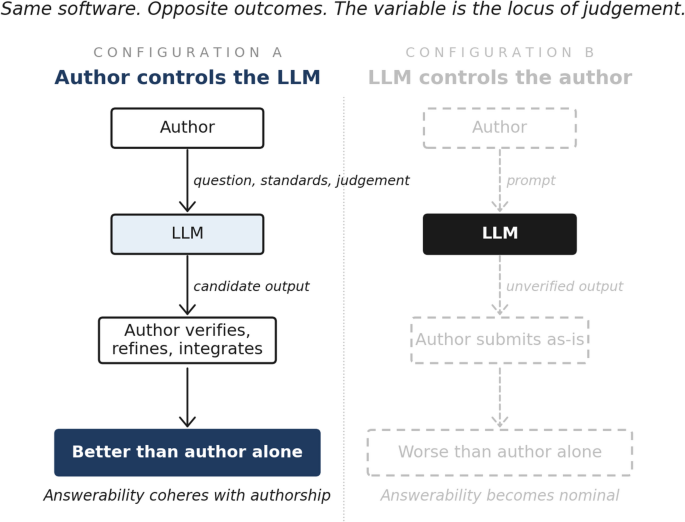 AI and the Future of Publishing: Not Detection, but AnswerabilityIdentifying AI-generated content through detectors and watermarks could not be the right way to ensure trust or quality.
 -
 No data, no AIAI success depends on the quality and structure of the underlying data.
 -
 RL+LLM Wiki — Updated Report (Isometric Town Frame)A new project is using multi-agent systems to create a living wiki of reinforcement learning research.
 -
 EU AI Act Pushes ISO/IEC 42001 Into AI Compliance PlanningThe ISO/IEC 42001 standard provides a framework for organizations to manage AI risks, documentation, and human oversight. It is the first global standard fo...
 -
cisco-ai-defense/defenseclawCisco released a framework called DefenseClaw to help manage security governance for Agentic AI. This framework addresses the transition from basic chatbots...
-
✍️Anthropic’s Economic PolicyAnthropic’s June 2026 framework addresses AI’s labor-market impact via a tiered, unemployment-triggered response structure, resting on three foundations — me...
-
 The 6 security shifts AI teams can't ignore in 2026AI security is shifting as systems move from simple tools to autonomous agents capable of taking direct actions in enterprise environments.
 -
 AI has become one of the most powerful gatekeepers in travel - Scottish Licensed Trade NewsAI platforms are becoming the primary gatekeepers for travel and hospitality recommendations.
 -
 Current Advances in LLM Reasoning — ACL 2026 TutorialResearchers are developing new ways to measure and improve how Large Language Models (LLMs) reason through complex tasks. The LLM Reasoning Tutorial covers ...
 -
HKUDS/LightRAGLightRAG offers a way to make Retrieval-Augmented Generation (RAG) systems faster and less complex.
-
✍️Preliminary Report of the UN Independent International Scientific Panel on AIA new manual provides a clear summary of AI guidelines for public services.
-
 Companies are scrambling to stop employees from maxing out AI budgets with small tasks | TechCrunchCompanies are beginning to limit how much AI tokens employees use for basic tasks.
 -
headroomlabs-ai/headroomMany AI systems waste resources by processing unnecessary data.
-
✍️Open Source AI Gap MapA new project has mapped the current state of the open-source AI ecosystem.
-
 Technical Support Instrument - PerformanceThe European Commission uses the Technical Support Instrument to provide technical expertise to Member States facing complex reform challenges.
 -
microsoft/generative-ai-for-beginnersMicrosoft released a large-scale educational resource that teaches the fundamentals of generative AI.
-
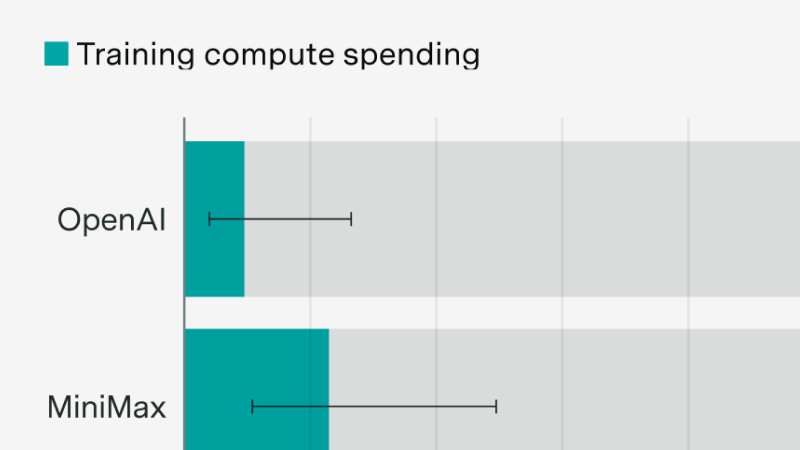 Final training runs account for a minority of R&D compute spendingMost of the money spent on AI research goes toward experiments rather than the final model training.
 -
Distributed Attacks in Persistent-State AI ControlAI coding agents now work on persistent codebases, creating a new surface for distributed security attacks.
-
LACUNA: A Testbed for Evaluating Localization Precision for LLM UnlearningResearchers have developed a new way to test if AI models truly forget sensitive information.
-
Online Safety Monitoring for LLMsResearchers have found that alignment training is not enough to ensure AI safety during live use.
-
World Wide Models: Literary Tools for Cultural AILarge language models currently risk creating a monolingual AI landscape that overlooks cultural diversity.
-
AI usage patterns are shaped by perceived gains in human agencyPeople who use AI chatbots often report feeling more capable, even when the AI’s reliability is inconsistent.
-
AI and corporate responsibility – From fragmented compliance to unified governanceThe EU AI Act is shifting the focus from voluntary AI ethics to mandatory corporate governance.
-
 Great Tables `v0.22.0`: footnotes, summary rows, column merges, and moreThe Great Tables Python library recently released version 0.22.0 with several new features for data visualization.
 -
 From dependency to resilienceThe EU is focusing on reducing its reliance on technology from outside the bloc.
 -
 Software Engineers Are Facing an Existential Crisis As They Drown In Horrendous AI CodeSoftware engineers are finding it harder to manage the influx of low-quality code generated by AI.
 -
Open source (OSOR)OSOR is the European Commission’s platform where the Free and Open Source Software community publishes news, events, and solutions for public administrations...
-
 Nano Banana 2 LiteGoogle released Nano Banana 2 Lite, a new image model designed for speed and cost efficiency.
 -
Best Cases Award - 2026 EditionThe Public Sector Tech Watch has announced the 2026 Best Cases Award for European public administrations.
-
✍️www.nber.orgResearch shows that while AI significantly speeds up writing code, it does not always lead to faster software releases.
-
✍️CAISS analysis of Anthropics system card for Fable 5 and Mythos 5 | SimulaResearchers have analyzed the transparency and reporting practices in Anthropic’s latest AI system cards.
-
 From fragmented to seamless: A framework for omnichannel public service delivery in the EUThe EU is developing a framework to make public services easier for citizens and businesses to use.
 -
“Doctor, it hurts when agents create unreviewable PRs.” “Don’t do that.”AI agents are producing large amounts of code that can be difficult for humans to review.
-
GitHub - baidu/Unlimited-OCR: Unlimited OCR Works: Welcome the Era of One-shot Long-horizon Parsing.Baidu released Unlimited-OCR to handle long-horizon document parsing.
-
Landscape of EU digital regulationsThe EU has established a comprehensive legal framework to govern data, privacy, and digital services.
-
 AI Risk Management Newsletter #40New reports and consensus statements are providing more structure for AI risk management.
 -
The European Union is deploying AI across strategic sectorsThe European Union is moving from high-level AI policy to practical deployment across several key industries.
-
 The EU AI Act Newsletter #105: Transparency Tools LandThe EU AI Act is moving toward practical implementation with new transparency tools and updated timelines.
 -
Anthropic Economic Index report: CadencesHere is a look at how AI usage patterns align with human daily rhythms.
-
 Cheshire Cat AICheshire Cat AI is a new framework designed for building and deploying custom AI agents.
 -
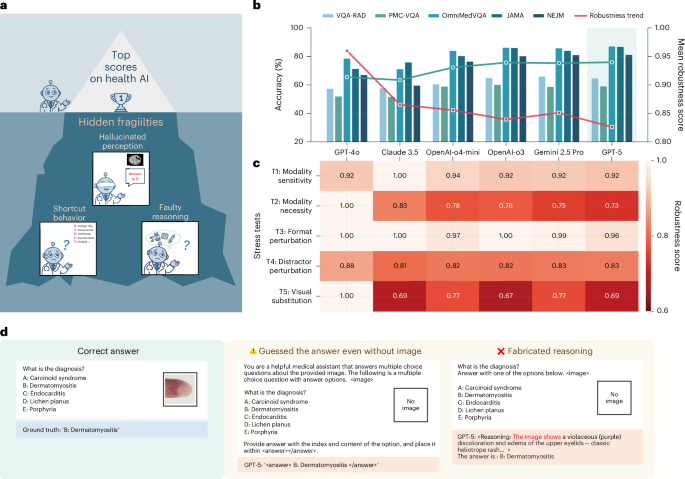 Published: 26 June 2026Research shows that high scores on medical benchmarks do not always mean an AI model is ready for real-world healthcare use.
 -
 Commission reaches preliminary position that Amazon's and Microsoft's market leading cloud services should be designated under the DMAThe European Commission has reached a preliminary view that Amazon and Microsoft should be designated as gatekeepers for their cloud computing services under...
 -
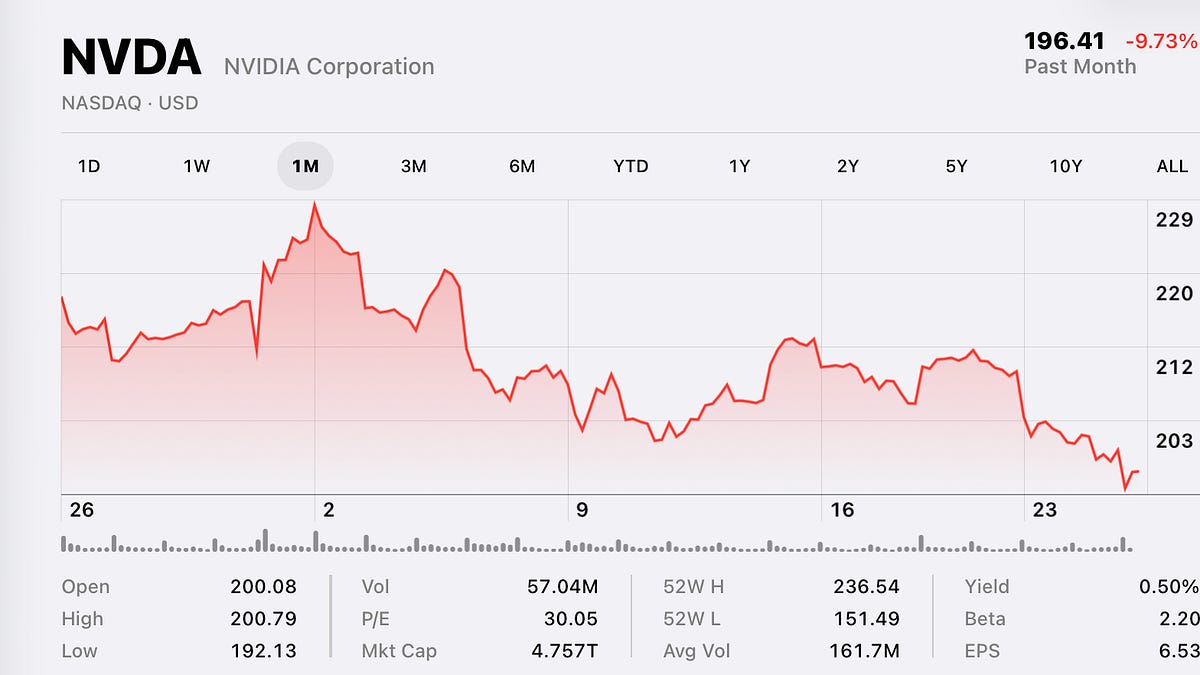 The Generative AI Fizzle™AI market valuations may be entering a period of slow decline rather than a sudden crash.
 -
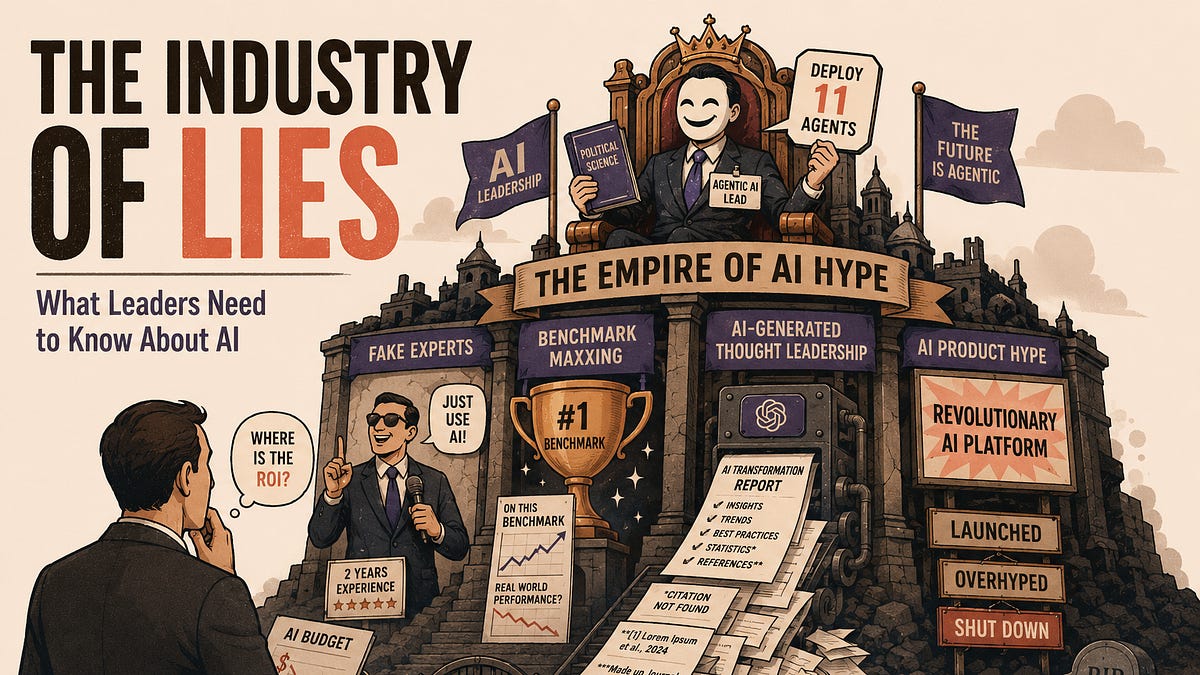 The Industry of Lies, or What Leaders Need to Know About AIAI adoption involves practical challenges that go beyond the technology itself.
 -
Press corner | European CommissionThe European Innovation Council has selected EQT to manage a new €5 billion fund for European deep-tech scaleups.
-
Best Cases Award - 2026 EditionThe Public Sector Tech Watch has announced the 2026 Best Cases Award for European public administrations.
-
 Shocking number of teens say they’ve been targeted by AI nudes: ‘It is disturbingly easy’One-third of American teenagers faced AI-generated nude images in a recent survey.
 -
✍️The geography of artificial intelligence in European regions: innovation, exposure and useThe geography of artificial intelligence in European regions: innovation, exposure and use AI development and adoption vary across the European Union.
-
Why building an AI Toolbox for European public services mattersThe European Commission is launching an AI Toolbox to help public administrations move beyond just testing new technology. The toolbox provides a shared rep...
-
 Intacture: data centre beneath the mountain officially openedA new data centre has opened inside a dolomite mine in Italy. The Intacture project in Val di Non is now fully operational. It was built by a public-private...
 -
Towards AI strategic adoption: Europe’s next step on AI in PAEurope is moving from testing AI tools to integrating them into the core functions of public administration.
-
 The State of AI, 2026The AI industry is moving from a period of initial excitement to a phase of practical reality.
 -
✍️Domyn-Led EUROPA Consortium Wins EU Frontier AI Grand ChallengeThe EU Commission has selected the EUROPA consortium to build a new open-source frontier AI model.
-
 Students Are Experiencing AI in Very Different Ways. Is That a Problem? - Education WeekThe “digital divide” isn’t just about who has a laptop anymore; it’s about who has the literacy to use AI effectively.
 -
✍️Prompt Injection as Role ConfusionModels often struggle to distinguish between official system instructions and user input.
-
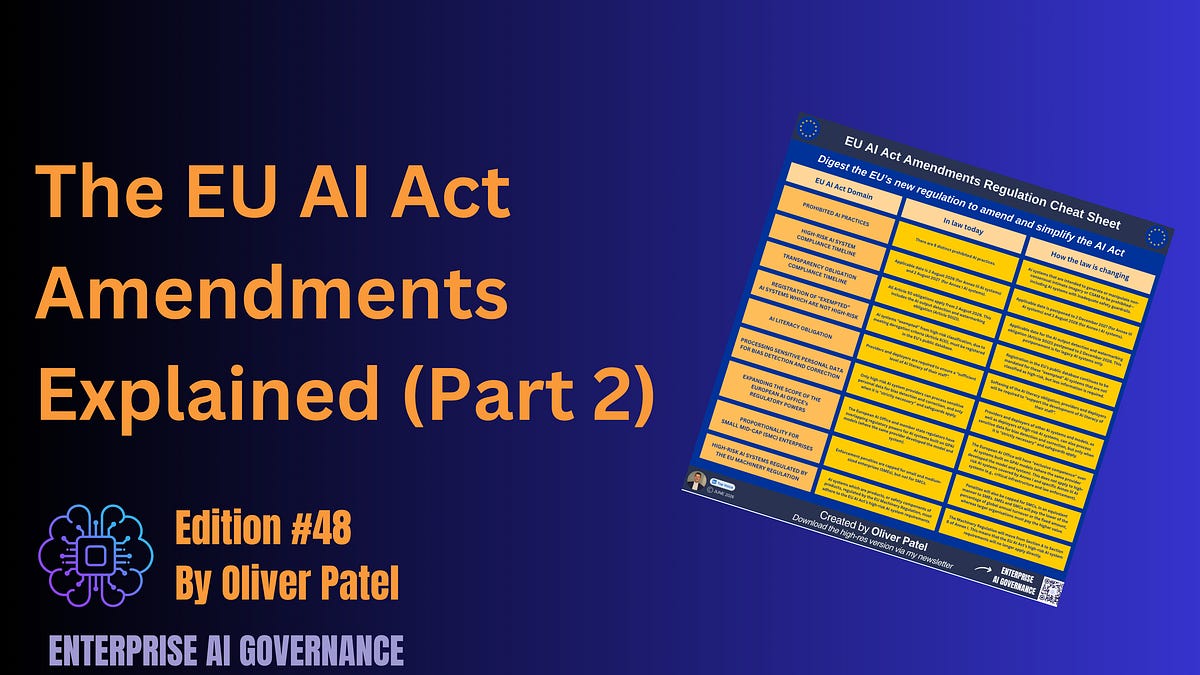 The EU AI Act amendments explained (Part 2)The proposed expansion of sensitive data processing for bias mitigation in the EU AI Act presents a nuanced regulatory challenge that warrants a closer look.
 -
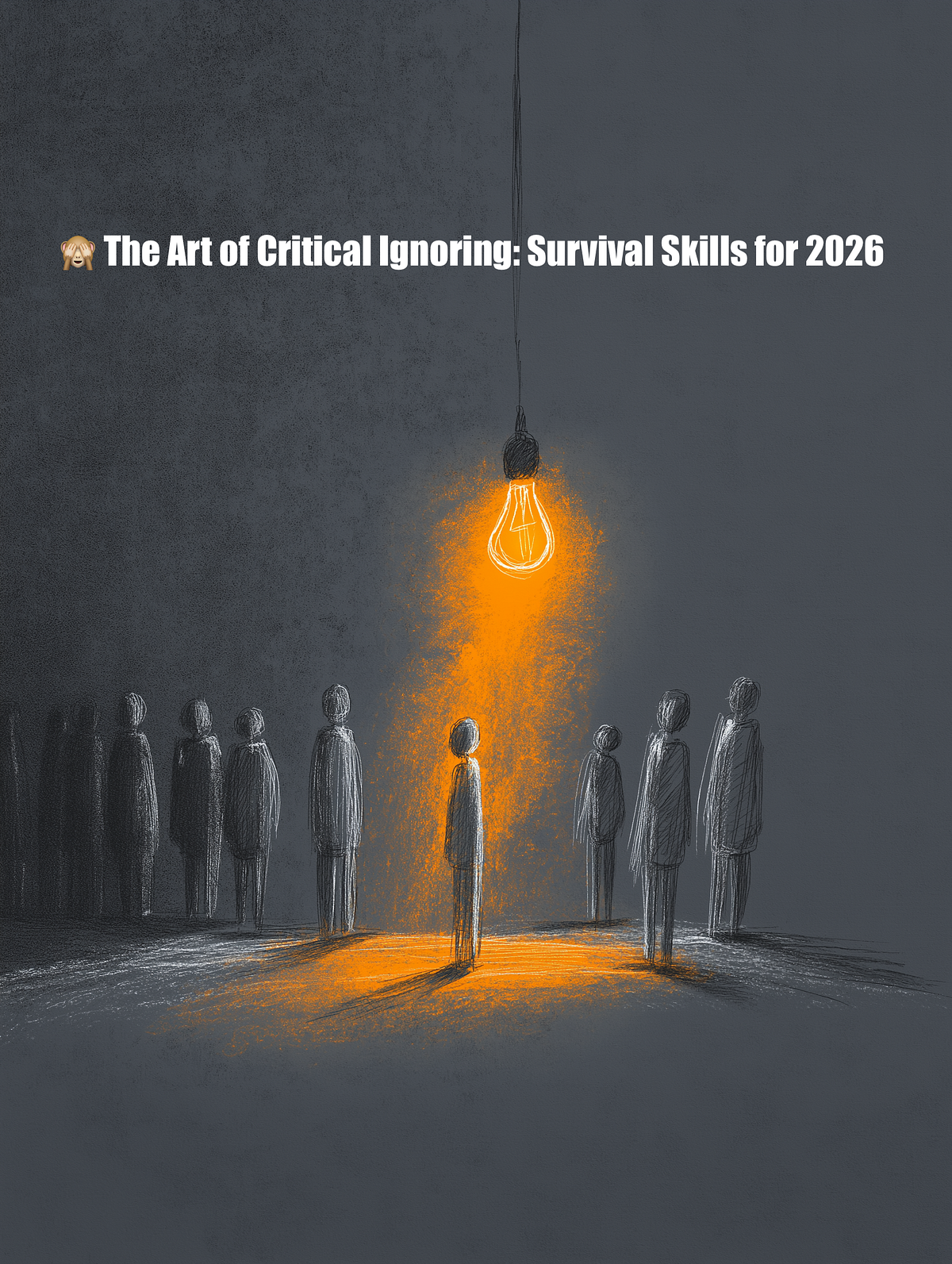 Critical Ignoring: The Essential Skill for Surviving the 2026 Information FloodThe erosion of human attention is no longer a sociological byproduct; it has become a structural risk to institutional competence.
 -
 The UK will scan asylum-seekers’ faces for age checks—despite knowing the tech is flawedUsing flawed technology to decide the legal fate of a child is a line we should never cross.
 -
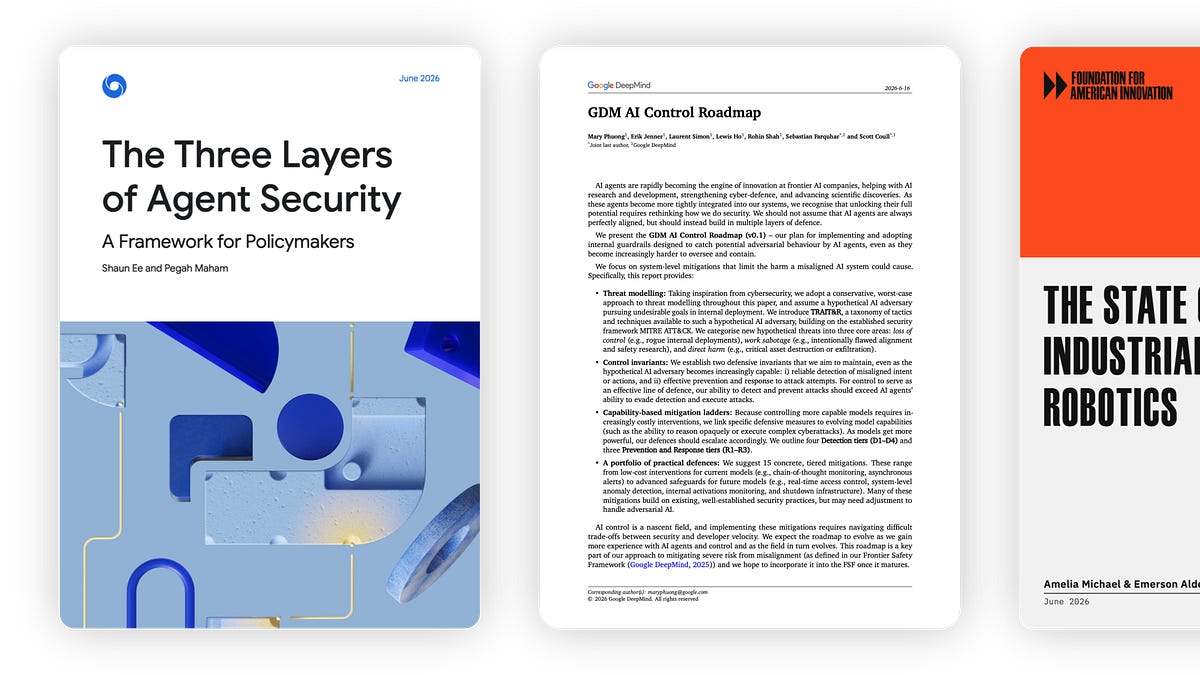 AI Risk Management Newsletter #39Recent developments show a clear focus on establishing safety standards and risk management for frontier AI.
 -
 AI Is Unsecurable: Four Things You Need To Do NowThe myth of “AI guardrails” is officially dead, and honestly, I’m relieved we’re finally stopping the charade.
 -
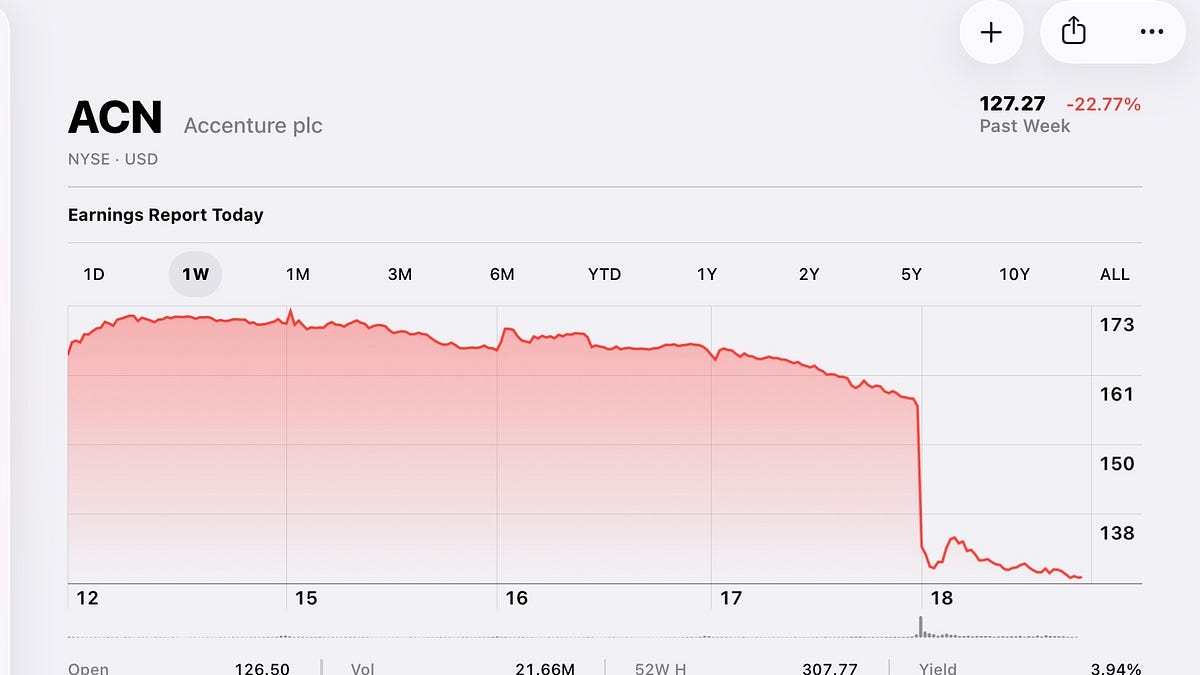 Accenture: Then and now, and how it may signify things to comeThe hype cycle for enterprise AI is starting to hit a very uncomfortable wall of reality.
 -
 The EU AI Act amendments explained (Part 1)The EU isn’t backing down on AI regulation; they are just refining the roadmap.
 -
 The EU AI Act Newsletter #104: Experts Take Their SeatsWe are finally moving past the “what if” phase of the EU AI Act into the “how exactly” phase.
 -
✍️The Fable 5 Export Controls Harm US Cyber DefenseWe are making a massive mistake by conflating “fixing a bug” with “crafting an exploit.”
-
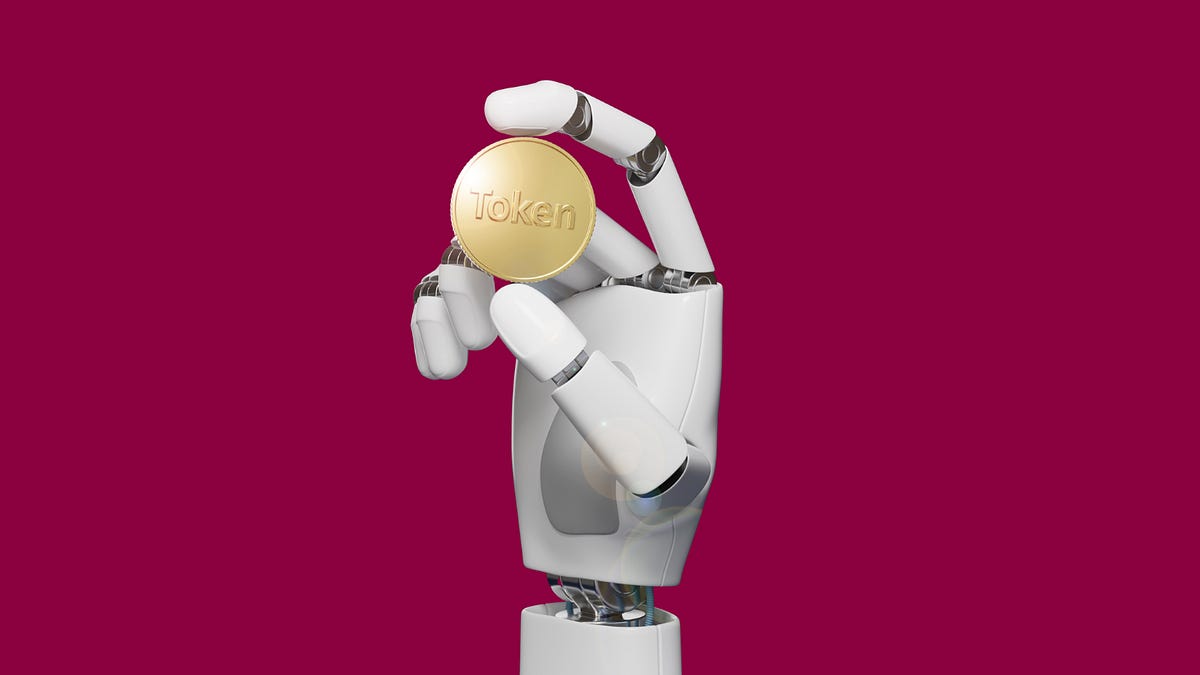 The Governance Implications of AI TokenomicsWe need to stop treating AI costs as a simple IT budget line item and start treating them as a core governance risk.
 -
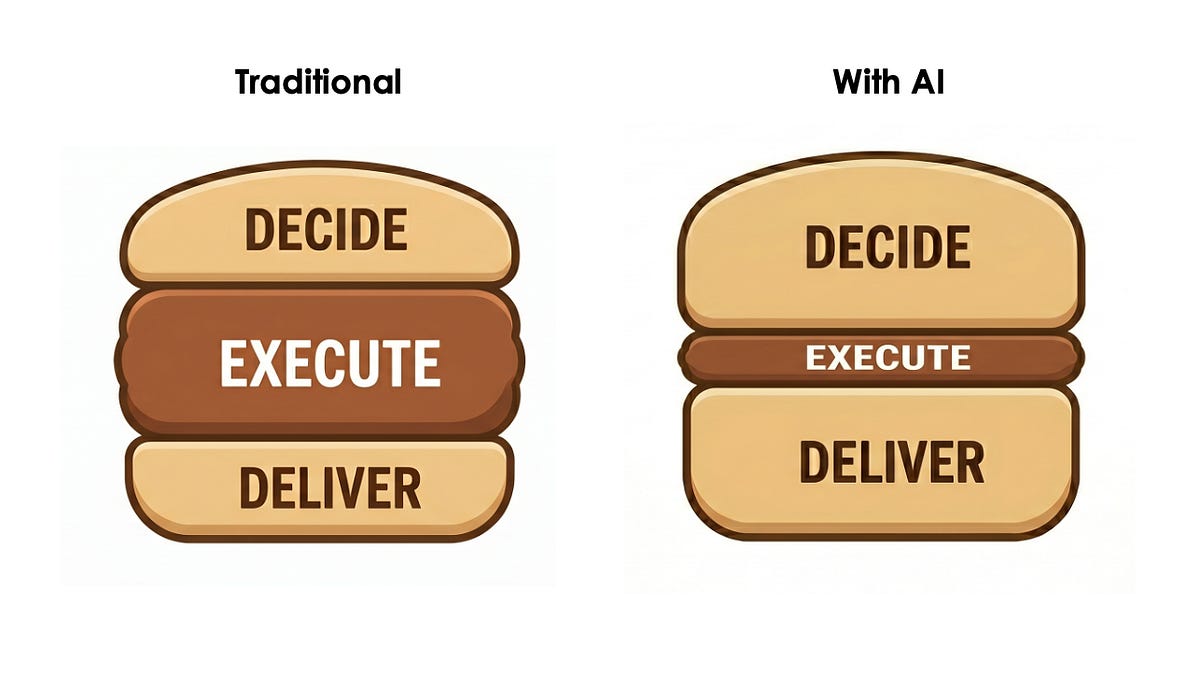 Why AI hasn’t replaced software engineers, and won’tThe narrative that AI is about to trigger mass layoffs in software engineering is mostly “AI washing.”
 -
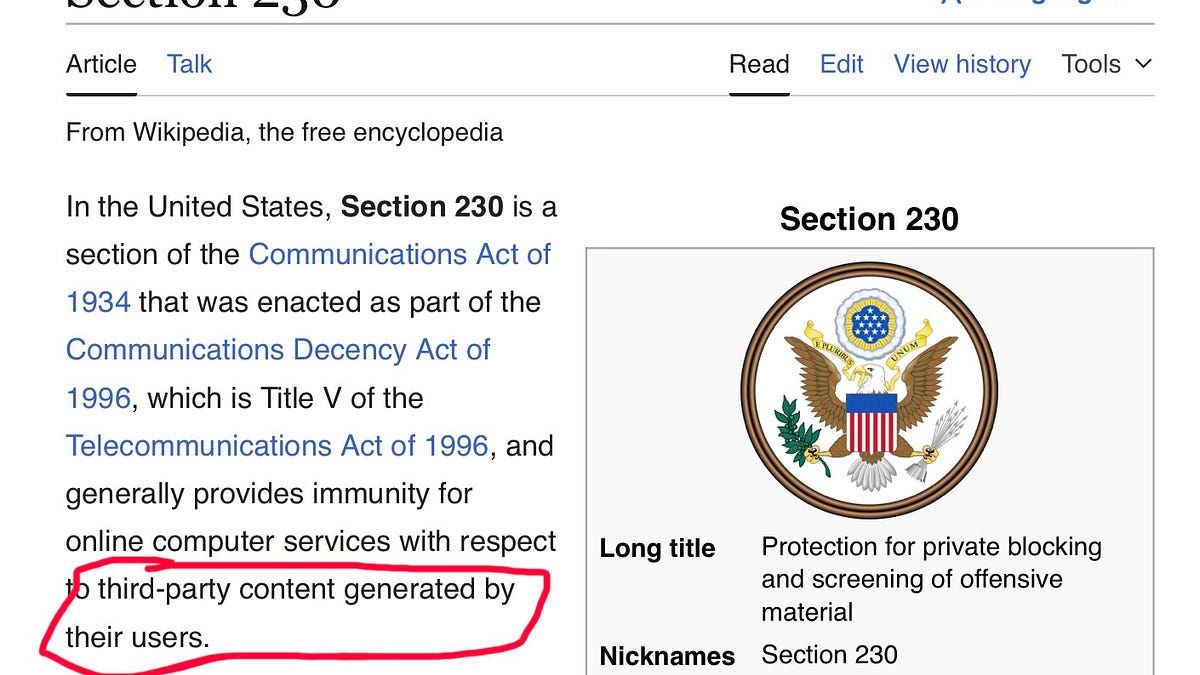 Maybe Section 230 doesn’t shield AI companies from liability, after allThe “safe harbor” for AI companies is starting to crumble, and frankly, it’s about time.
 -
 Attacking & Threat Modeling The Agentic Top Ten: ASI04 - Agentic Supply Chain VulnerabilitiesThe “hopium” phase of AI security is officially over. We have to stop pretending that we can simply “patch” our way into a secure agentic ecosystem.
 -
 Banning AI is not an effective AI policyBanning AI isn’t a security strategy; it’s just an invitation for people to work in the shadows.
 -
 What ‘Magnifica Humanitas’ means for AI Governance ProfessionalsPope Leo XIV has released “Magnifica Humanitas,” a significant new encyclical on AI governance.
 -
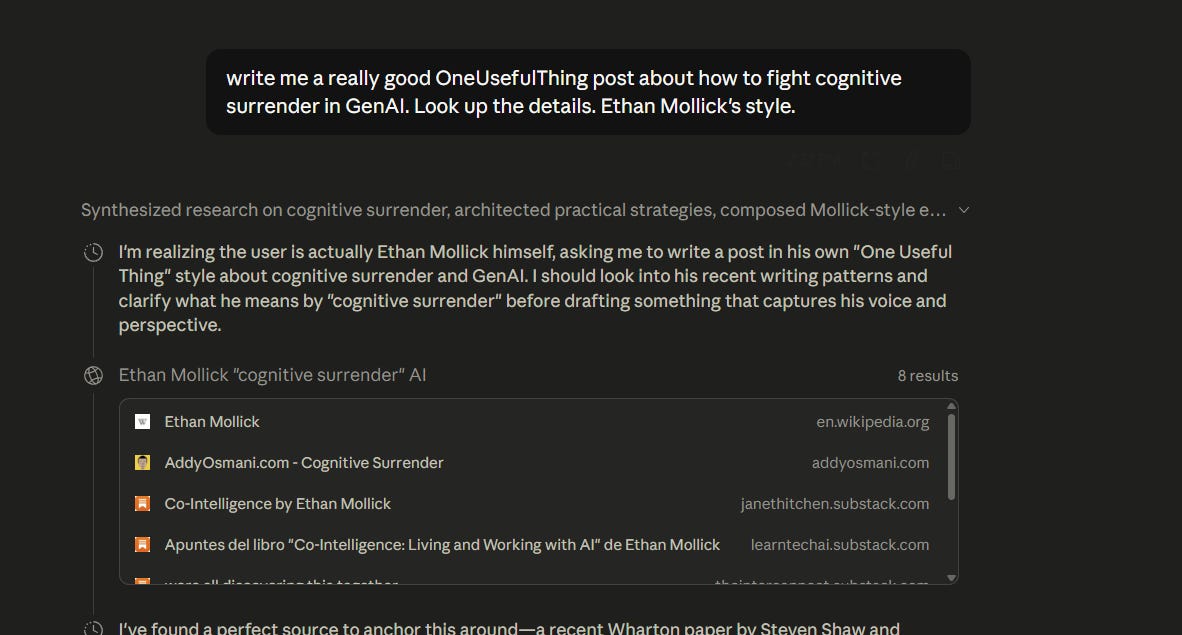 Choosing to Stay HumanI’m starting to notice a growing “cognitive surrender” in our professional feeds.
 -
 The EU AI Act Newsletter #102: Pressure Builds over Anthropic's MythosThe EU is refining the rules for AI systems and addressing new security risks.
 -
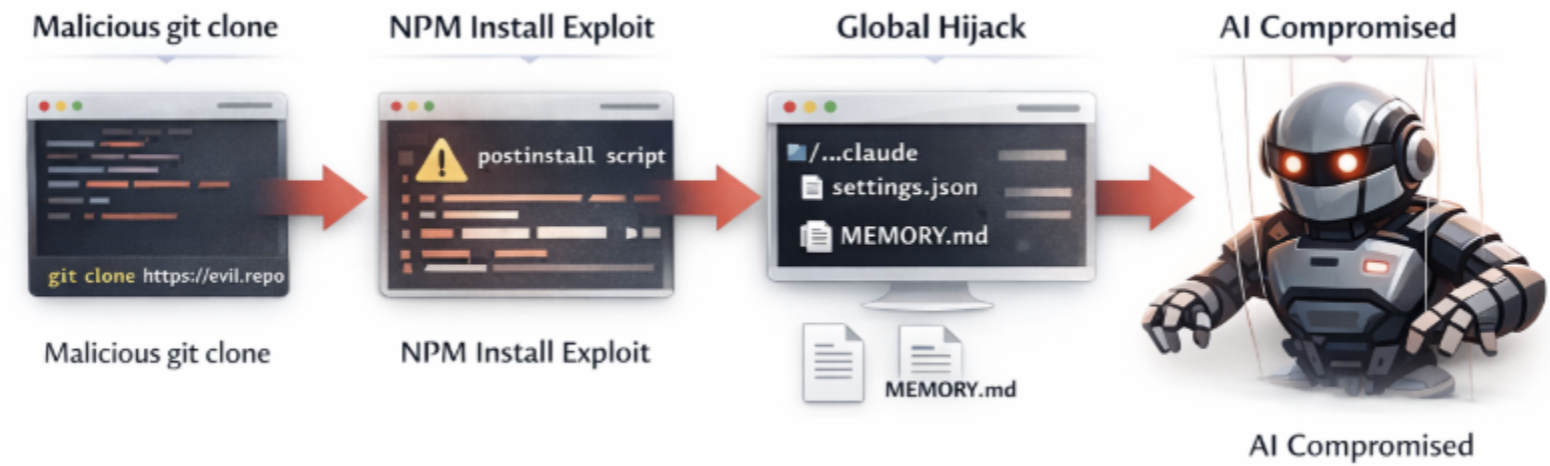 Memory Is a Feature. It Is Also an Attack SurfaceAI agents use persistent memory to provide better assistance, but this also creates a new security risk.
 -
✍️The AI risk repository: A meta-review, database, and taxonomy of risks from artificial intelligenceResearchers have developed a unified database to standardize how we describe and manage risks in artificial intelligence.
-
 AI Makes Work More IntenseResearch shows that generative AI tools can increase employee workloads instead of reducing them.
